
Sind indische Fleischer die Lösung?
Seit letztem Jahr lassen sich in einer Fleischerei in Baden-Württemberg junge Inder im Fleischerhandwerk ausbilden. Auch wenn diese Initiative ungewöhnlich klingt, soll sie in diesem Jahr noch weiter ausgebaut werden. Dabei sollen die indischen Azubis nicht nur in Metzgereien, sondern ebenso in anderen Branchen, wie beispielsweise dem Baugewerbe, eingesetzt werden.

Das ist nur eine von diversen Maßnahmen, mit denen versucht wird, dem Fachkräftemangel entgegenzuwirken. Gezielte Zuwanderung soll dabei helfen, die Fachkräftelücke zu schließen. Dafür wurde im Jahr 2019 eigens ein „Fachkräfteeinwanderungsgesetz“ umgesetzt, das die Hürden für die Zuwanderung verringern soll.
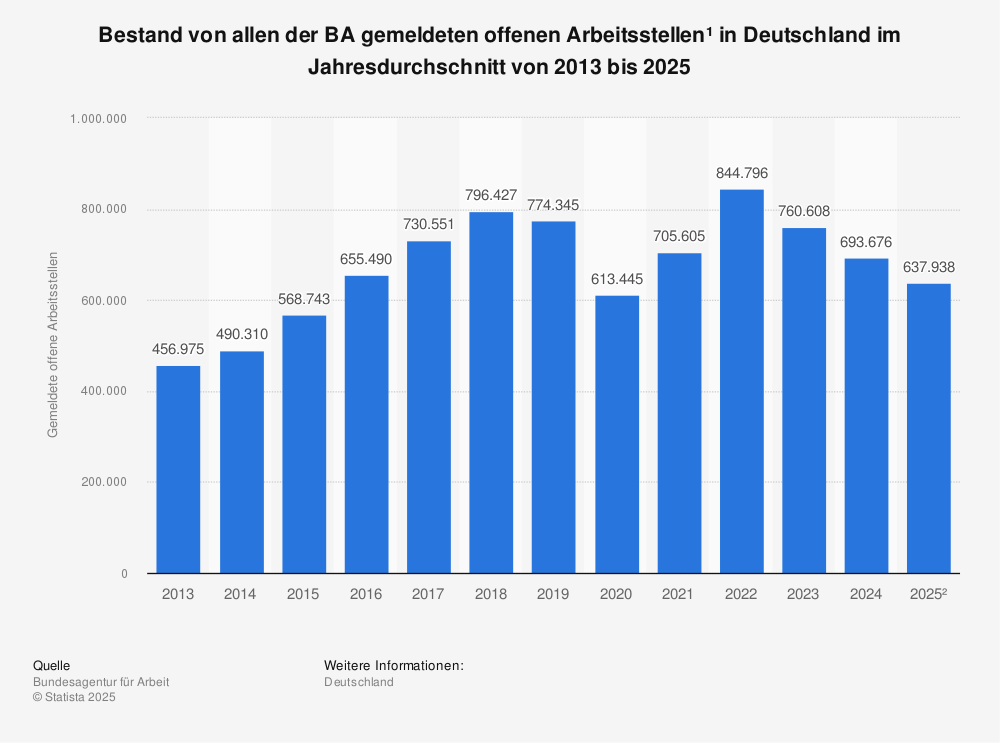
Laut Institut der deutschen Wirtschaft lag die Fachkräftelücke im Zwölf-Monats-Durchschnitt von Juli 2021 bis Juli 2022 für qualifizierte Arbeitskräfte über alle Berufe hinweg bei 537.923 Stellen. Die Zahl beschreibt alle offenen Stellen, die rein rechnerisch nicht besetzt werden konnten, da es keine passend qualifizierten Arbeitslosen für sie gab.
Es ist schon länger offensichtlich: Dem deutschen Arbeitsmarkt fehlen Fachkräfte und die Lage wird sich in Zukunft noch weiter verschärfen. In vielen Branchen ist qualifiziertes Personal Mangelware, was im schlimmsten Fall sogar die Insolvenz des Unternehmens zur Folge haben kann.
Gründe & Lösungsansätze
Einer der Hauptgründe für die Entwicklung ist der demografische Wandel. Sehr einfach ausgedrückt, wird die deutsche Bevölkerung im Schnitt immer älter. Die Generation der Baby-Boomer kommt ins Rentenalter, parallel dazu werden immer weniger Kinder geboren. Die Entwicklung der Demografie in Deutschland ist schon lange bekannt. Andere Faktoren hingegen kamen eher unerwartet, beispielsweise die Auswirkungen der Corona-Pandemie auf den Arbeitsmarkt. Viele Beschäftigte, die während der Krise ihren Job verloren haben, gehen nicht mehr in ihre alten Berufe zurück.
Dazu kommen Probleme im Bildungssystem. Den Schulen und Ausbildungsstätten gelingt es nicht, genügend junge Menschen für wichtige Berufe zu begeistern. Neben der fehlenden Aufklärung über die Vielzahl von Berufszweigen spielt in einigen Branchen sicher auch die verhältnismäßig schlechte Bezahlung und fehlende Wertschätzung eine entscheidende Rolle.
Auch auf dem Bildungssektor sollen von politischer Seite aus Verbesserungen in die Wege geleitet werden. Ähnlich wie bei der gezielten Zuwanderung sind das allerdings Maßnahmen, die Zeit in Anspruch nehmen und nicht sofort ihre Wirkung entfalten können.

Wer aktuell dringend auf der Suche nach qualifizierten Mitarbeitern ist, steht vor einer großen Herausforderung. Die Vakanzzeiten sind in vielen Branchen bereits stark erhöht. Besonders das Baugewerbe und die Pflege haben große Probleme, offene Stellen effizient zu besetzen. Es ist deshalb ratsam, neben den herkömmlichen Wegen der Stellenbewerbung auch alternative und moderne Methoden in den Recruiting-Prozess mit einzubeziehen.
Für sogenannte Blue Collar Jobs, also Stellen, die hauptsächlich von körperlichen Tätigkeiten geprägt sind, bieten sich beispielsweise soziale Netzwerke an, um potenzielle Kandidaten anzusprechen. Über Lead Ads lassen sich sehr einfach und effizient Bewerbungen generieren.
Eine weitere Option ist es, die Nutzer geräteübergreifend auf Websites und Apps zu erreichen. Ähnlich wie bei der Ansprache über soziale Netzwerke verlässt man sich dabei nicht auf die gewohnten Jobbörsen und Stellenanzeigen-Webseiten. Über Programmatic Job Advertising lassen sich passende Kandidaten auf der Grundlage von Nutzerdaten ansprechen.
Es lohnt sich in jedem Fall, neue Ansätze zu erkunden. Das sollte allerdings nicht bei der Anwerbung von Mitarbeitern enden, sondern auch die Unternehmenskultur, das Image und das Selbstverständnis des Unternehmens einschließen. Besonders in der jüngeren Generation stehen Werte wie Selbstbestimmung, sinnhafte Tätigkeit und Flexibilität hoch im Kurs. Ein Unternehmen sollte ehrlich reflektieren, inwieweit es da attraktive Anreize bietet.
Wenn es an Fachkräften mangelt ist es also essentiell, neben mittel- und langfristigen Maßnahmen auch möglichst kreativ und flexibel auf aktuelle Herausforderungen zu reagieren. Dafür benötigt es unterschiedliche Lösungsansätze, um sich den Gegebenheiten des Arbeitsmarktes anzupassen.
Quellen:
Deutschlandfunk Beitrag
Bild von SplitShire auf Pixabay
Bild von kroshka__nastya auf Freepik